
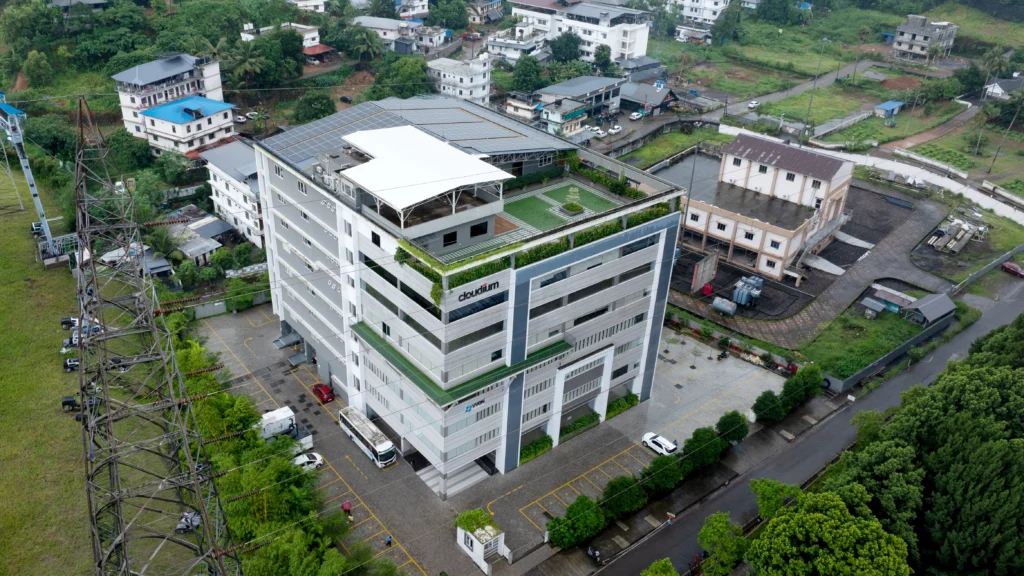
Most companies choose an office the way they choose a coffee shop — based on how it looks, how it feels, and how close it is to home. Fewer companies ask a more useful question: what does this address actually do for my business? If you’re running an IT company, a services business, or anything with an export or B2B component, the answer to that question changes completely the moment you consider a Special Economic Zone. An SEZ isn’t a neighbourhood or a vibe — it’s a legal and financial structure, and understanding it properly can change how you think about where you set up shop.
What an SEZ Actually Is
A Special Economic Zone is a designated area within the country that’s treated, for regulatory and tax purposes, as if it were outside India’s normal customs territory. That sounds abstract until you see what it means in practice: businesses operating from inside an SEZ get access to a set of exemptions and incentives specifically designed to make them more competitive globally — lower tax burdens, simplified compliance for imports and exports, and infrastructure built to support outward-facing business from day one. In Kerala, Infopark’s SEZ zones — including campuses like Sunya Ek Cyber Park — were built with exactly this purpose: give IT and IT-enabled businesses a base that does more than provide desks and Wi-Fi.
The Direct Financial Case
Let’s start with the part every founder and CFO cares about first: the money. Companies operating from an SEZ can access GST exemptions on eligible services, which immediately reduces the tax load on a large share of operational spend. On top of that, SEZ units are entitled to duty-free import of capital goods — meaning the laptops, servers, networking equipment, and other hardware a growing tech company needs don’t carry the same import cost burden they would outside the zone. Then there’s income tax. Under the relevant SEZ provisions, eligible units can access tax holidays on export-oriented income for a defined period — a benefit specifically structured to reward companies that are building for international markets rather than just domestic ones. None of this is a one-time discount. It’s a structural advantage that applies for as long as the business operates within the zone, which means the savings don’t taper off as the company grows — they scale with it. A five-person startup and a two-hundred-person MNC subsidiary both benefit from the same framework, just at different magnitudes.
Compliance You Don’t Have to Build Yourself
There’s a quieter benefit that doesn’t show up on a savings spreadsheet but matters just as much: compliance infrastructure. SEZs operate under a specific regulatory framework, with defined rules for security, access, and reporting. Campuses built for SEZ operation — like Sunya Ek — are designed around these requirements from the ground up. That means controlled entry systems, audited visitor logs, and documented access management aren’t things a tenant company has to figure out and build on their own. They come with the building. For a growing company, this matters more than it might seem. Compliance work that would otherwise require a dedicated hire, an external consultant, or months of internal process-building is instead already embedded in how the campus runs. That’s time and budget that goes back into the actual business instead of into regulatory scaffolding.
Built for Outward-Facing Growth
If your business serves clients outside India, or has ambitions to, an SEZ campus is built with your growth trajectory in mind — not against it. Export-oriented businesses often run into friction with customs processes, documentation requirements, and cross-border logistics that domestic-only companies never have to think about. SEZs exist specifically to remove that friction. The regulatory environment is designed for companies moving goods, services, and capital across borders, which means the administrative overhead that usually accompanies international business gets meaningfully lighter. This is particularly relevant for IT and ITES companies — the kind of business where “export” doesn’t mean shipping physical goods, but delivering services, code, and expertise to clients abroad. SEZs were, in many ways, built with exactly this kind of company in mind.
The Long Game
Here’s the part that’s easy to underestimate: SEZ benefits aren’t a launch incentive that fades after year two. They’re structural. A company that sets up inside an SEZ isn’t front-loading a discount — it’s locking in an operating environment that keeps paying off as long as it stays there. That has a real strategic implication. If you’re choosing office space with a five-year horizon rather than a one-year lease in mind, the calculus shifts. A slightly higher upfront decision — researching SEZ eligibility, understanding the paperwork, choosing the right campus — pays back multiple times over as the business scales, rather than diminishing the way most short-term incentives do.
What This Means If You’re Choosing an Office Right Now
If you’re currently weighing office options for a growing team, here’s the practical takeaway: don’t just evaluate square footage, location, and rent. Ask whether the space you’re considering carries SEZ status, and if it does, get specific about what benefits your business would actually be eligible for. Not every company qualifies for every SEZ incentive — eligibility depends on your business structure and the nature of your revenue — so it’s worth a real conversation rather than assuming the label alone guarantees savings. At Sunya Ek Cyber Park, inside Infopark Phase 2, that conversation is one we have regularly with companies at every stage — from early founders trying to stretch a first round of funding, to established businesses opening a Kochi base and wanting the tax structure to reflect that ambition. An office is where your team works. An SEZ campus is a decision that works for your business, quietly, in the background, for as long as you’re there. It’s worth treating it like the strategic choice it actually is — not just a place to put desks.